


Sensory Bins and Activities for Toddlers
- diksha tilwani

- May 30
- 2 min read
Sensory play is one of the most powerful ways toddlers learn about the world. A sensory bin is simply a container filled with materials that stimulate a child’s senses—touch, sight, sound, and sometimes smell or taste. While it may look like simple play, sensory bins are carefully designed opportunities for children to explore, experiment, and grow.
Why Sensory Bins Matter
Toddlers are naturally curious. They want to touch, squeeze, pour, and discover. Sensory bins channel this curiosity into safe, structured play that supports development in multiple areas:
Fine motor skills: Scooping rice, pinching pom-poms, or stirring water strengthens hand muscles and coordination.
Language development: As toddlers describe textures—“soft,” “rough,” “cold”—they expand vocabulary.
Cognitive growth: Sorting shapes, counting beans, or matching colors builds problem-solving skills.
Emotional regulation: Repetitive actions like pouring or stirring can calm children and reduce stress.
Social learning: Shared bins encourage cooperation, turn-taking, and teamwork.

Toddler-Friendly Sensory Bin Ideas
Here are some engaging setups designed specifically for toddlers:
Rainbow Rice Bin: Dyed rice in bright colors with scoops and cups. Toddlers love pouring and mixing.
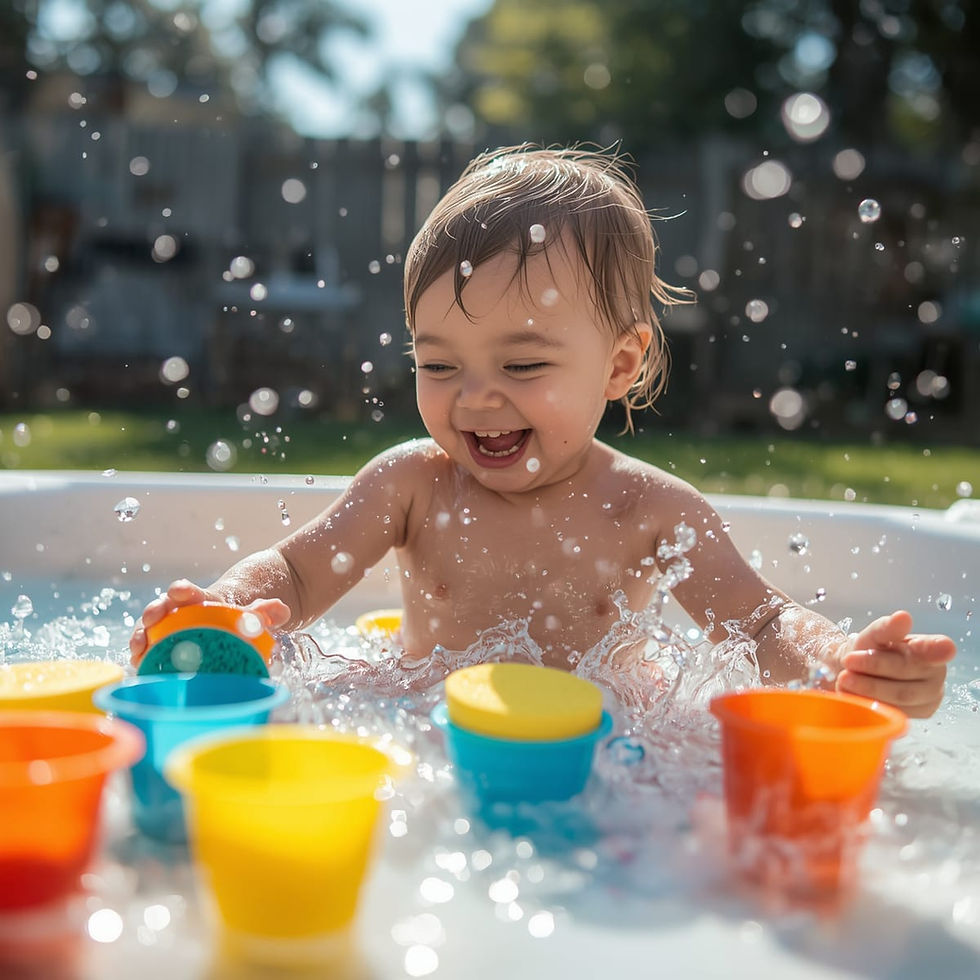
Water Play Bin: Shallow water with floating toys, sponges, and cups for pouring. Perfect for hot days.
Nature Bin: Leaves, pinecones, and smooth stones collected outdoors. Encourages connection with nature.
Taste-Safe Pasta Bin: Cooked pasta shapes with spoons for stirring and sorting. Safe for little ones who still mouth objects.
Animal Rescue Bin: Toy animals hidden in shredded paper or cotton balls for toddlers to “rescue.” Builds problem-solving and storytelling.
Seasonal Bin: Cotton balls for winter snow, sand for summer play, or dried leaves for autumn exploration.
Everyday Materials You Can Use
You don’t need expensive supplies. Many household items work perfectly for sensory bins:
Dry rice, beans, or pasta (supervised for safety)
Cotton balls, pom-poms, or fabric scraps
Water, bubbles, or foam
Sand, soil, or pebbles in small amounts
Recyclables like cardboard tubes, bottle caps, or egg cartons
Tips for Safe and Successful Play
Always supervise toddlers, especially with small items that could be choking hazards.
Choose taste-safe fillers like cereal, cooked pasta, or edible dough for younger toddlers.
Keep bins shallow and easy to reach.
Rotate materials regularly to keep activities fresh and exciting.
Encourage descriptive language by asking toddlers what they feel, see, or hear.
Extending Sensory Play
Sensory bins can be more than free play. You can integrate learning goals:
Color sorting: Provide colored cups and ask toddlers to sort pom-poms or beads.
Counting practice: Use beans or pasta pieces to practice numbers.
Storytelling: Hide toy animals or figures and encourage toddlers to invent stories about them.
Letter recognition: Add foam letters or alphabet pasta for early literacy play.

Disclaimer: This content is for educational purposes only and should not replace professional advice.
Shop authentic baby products online at Nexbie Store – trusted quality for your little one.
Visit www.nexbie.in today


Comments